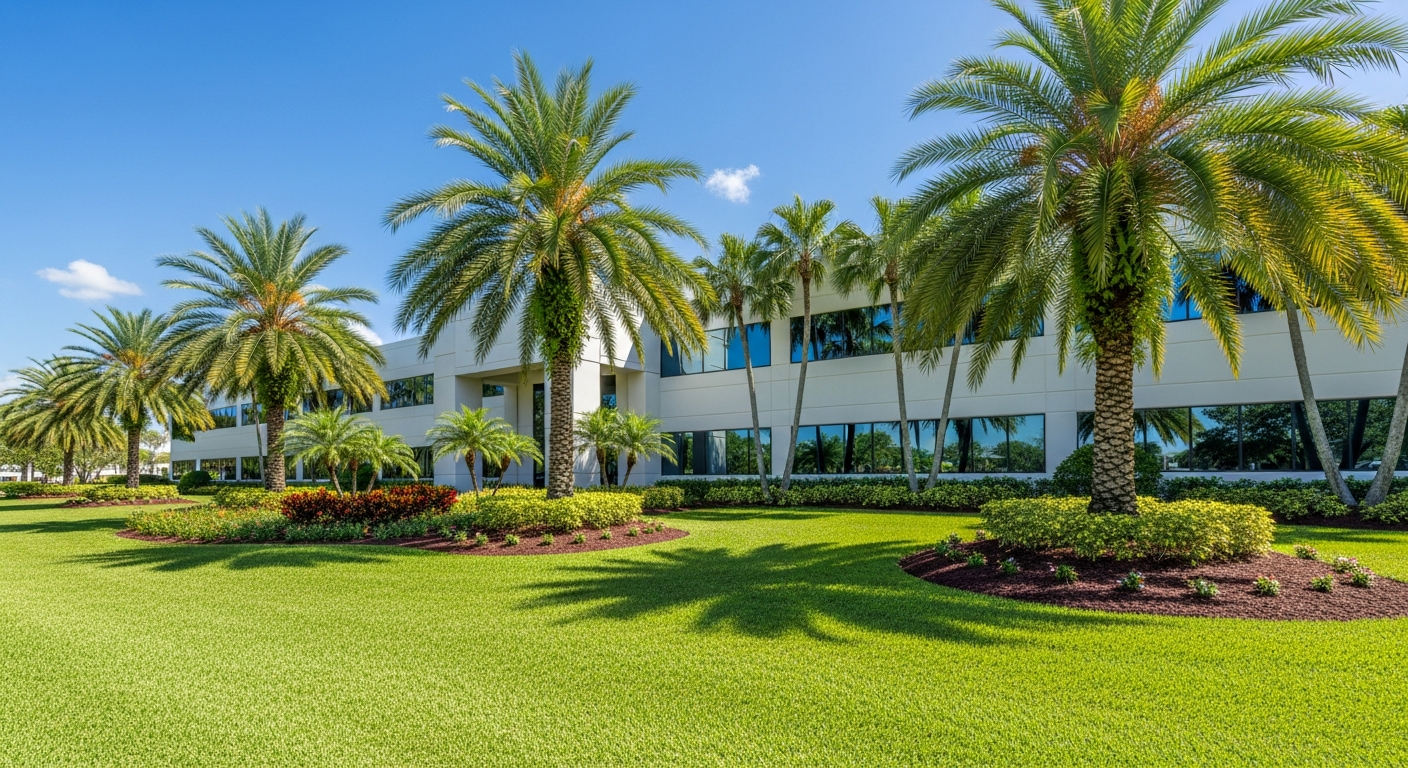

Summer puts North Florida landscapes to the test. Heat, heavy rain, regular mowing, and daily use can reveal problems that weren’t obvious in spring: a low spot that stays wet, grass that keeps thinning, or shrubs that struggle despite regular care.
As September gives way to October, those trouble spots deserve a closer look. Before replacing plants or adding more water, take time to understand what your landscape is telling you.
A fall assessment can help you address the underlying problems—and make better decisions about where to invest in your property.
Start With the Spots That Stayed Wet
If the same area collected water after summer storms, don’t assume fresh sod or a new planting bed will solve it. Recurring puddles may point to compacted soil, low areas, runoff from nearby surfaces, or a drainage system that needs attention.
Look for:
- Bare or muddy patches near downspouts and walkways
- Mulch that repeatedly washes out of beds
- Standing water that lingers after surrounding areas have drained
- Turf that stays soft underfoot
The right solution depends on where the water comes from and where it can safely go. Sometimes maintenance or a small correction is enough; other situations call for a more comprehensive drainage assessment.
Address the water issue before investing in replacement turf or plants. Otherwise, the next heavy rain may leave you with the same problem.
Look Beyond Watering When Grass Turns Thin
A struggling patch of lawn doesn’t automatically need more irrigation.
Shade, foot traffic, soil conditions, pests, disease, and uneven sprinkler coverage can all contribute to thinning or discolored grass. Adding water without identifying the cause may waste water or make some problems worse.
Think about what changed over the summer. Did a tree canopy become denser? Did children or pets create a regular path? Does the affected area sit beside pavement or receive runoff from a roof?
These details help distinguish a maintenance issue from a location that simply isn’t well suited to turf. In heavily shaded or frequently traveled areas, an appropriately designed planting bed or walkway may be a more practical long-term choice than repeatedly replacing grass.
Check Irrigation Before Adjusting the Schedule
Your irrigation system may have run all summer without delivering water evenly.
A blocked sprinkler head can leave one section dry while another gets more water than it needs. Growing plants can interrupt spray patterns, and damaged or misaligned heads may send water onto driveways and sidewalks.
Run each zone and watch for:
- Heads that fail to rise or rotate properly
- Spray blocked by shrubs or other plants
- Water landing on pavement instead of the landscape
- Leaks, unusual pooling, or noticeably weak coverage
As temperatures and rainfall patterns change, watering needs change too. Base adjustments on actual landscape conditions and applicable local watering rules—not simply the calendar or the schedule used during summer.
Reconsider Plants That Keep Struggling
If the same shrubs decline every year, replacing them with identical plants may only restart the cycle.
Assess the conditions first. How much sunlight does the bed receive now? Does the soil drain well? Is the location exposed to coastal wind or salt spray? Will the plant’s mature size fit the available space?
A plant can look right in a design and still be poorly matched to its location. Fall is a useful time to review those choices and plan replacements suited to the property’s actual conditions.
The goal isn’t to replace everything that looks tired. It’s to distinguish plants that need routine care from plants that are unlikely to thrive where they are.
Prioritize Repairs Before Cosmetic Updates
Fresh mulch and seasonal plantings can improve appearance, but they shouldn’t come before problems that affect plant health, access, or safety.
A practical order of work is:
- Address immediate hazards, such as damaged limbs or uneven walking surfaces.
- Correct drainage and irrigation problems that could undermine other improvements.
- Evaluate declining turf and plants before deciding what to replace.
- Finish with visual updates, including bed definition, appropriate mulching, and refreshed plantings.
For larger properties or HOA communities, this approach also helps divide work into manageable phases.
Make This Fall’s Improvements Count
You don’t need to redesign your entire landscape to make meaningful progress. Start with the problems that returned throughout summer, identify their causes, and focus on improvements that will last beyond the next season.
Ocean View Landscape Management helps residential and commercial property owners across North Florida with landscape maintenance, enhancements, and installation.
Ready to address the trouble spots summer left behind? Request an estimate to discuss your property and the improvements that make sense this fall.